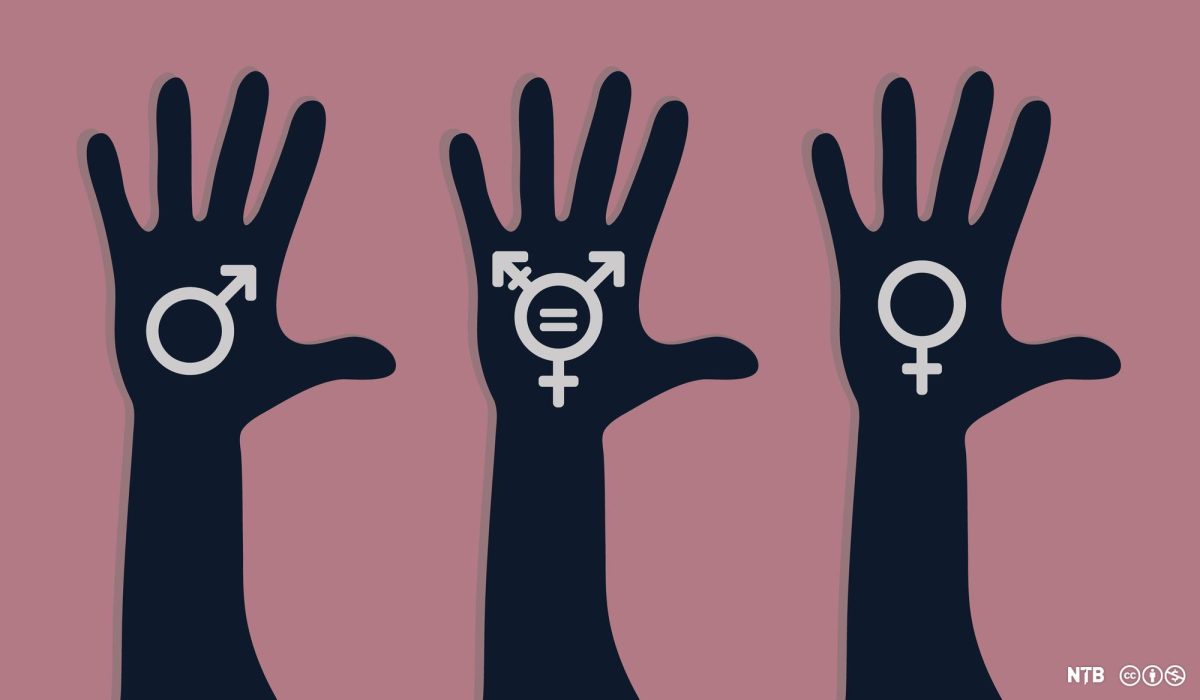
As of early 2026, multiple U.S. states including Texas have implemented laws requiring individuals to use changing rooms and restrooms that align with their sex assigned at birth. On Sept. 22, Greg Abbot signed SB 8, a bathroom bill that became effective on Dec. 4, 2025. The bill defines these intimate spaces designated by biological sex as gym locker rooms and bathrooms at public schools, government owned buildings and universities. The consequence being for the first offense, a $25,000 fine and up to $125,000 for other offenses directed towards the public institution. Some laws in Texas, however, include exceptions for custodians, medical workers and law enforcement. Science teacher Elaine Bohls-Graham wonders where the fines will go once collected.
“Will the money go into a criminal fund? Are they going into a victim fund?” Bohls-Graham said. “What happens to the money?”
The only given information about where the money is allocated is towards state general funds and specific programs. The fines are often managed through state enforcement, which Attorney General Ken Paxton oversees. The fines are aimed at the institutions that own the facilities that were in violation of the law. The Texas Attorney General is tasked with investigating any reports of offenses, complaints, or violations and then imposes fines on the given location where the law was broken. Principal Andy Baxa addresses the challenges concerning the law as well as the overall intentions.
“The school is not allowed to permit students to a bathroom facility or changing room that is against their biological sex,” Baxa said. “Though students can use a restroom for a gender that they identify with, McCallum holds single-use restrooms around the school.”
A gender neutral restroom is a toilet facility that is available for any person, regardless of their sex or gender identity. McCallum offers a gender neutral restroom available to any student in the library. Baxa finds that this alternative option facilitates a more comfortable and safe environment for students affected by this law.
“Any student that does not feel comfortable using the restroom that aligns with their biological sex has the ability to go to the library and use those restrooms anytime throughout the day,” Baxa said. “We don’t want kids to think they’re in trouble for anything that they’re doing.”
Teachers received emails addressing the new law based on bathroom restrictions. Students, however, were left unaware and uninformed of the new law that applied to their own school. According to Baxa, this was an administrative decision, as administrators did not want to concern the entire student body. Instead, they spoke to individuals they felt would be challenged by the bathroom restrictions.
“We didn’t want to make this an administrative thing,” Baxa said. “So we handled it through our counseling programs because it was less of a disciplinary thing.”
Counselors at McCallum spoke to individuals they wanted to make feel safe and comfortable during this time of change. Baxa found that directly speaking to an individual who had concerns and questions about the new mandates was the best and most appropriate way to address the issue.
“We were having private conversations, so we did create panic or create concern that may be in that situation, because we knew we had already identified those individuals who it applies,” Baxa said. “We weren’t as concerned about putting it out towards everyone, and the staff had already known about this since the first implementation since December.”
Junior Alana Ramsey finds the new law unnecessary. She worries about the societal toll the implemented law will have on the students of McCallum.
“I think it’s kind of ridiculous because of the community we have, especially at our school and in the city where we have a lot of diversity,” Ramsey said. “They try to motivate us to be ourselves and be who you want to be, and now this law strips that from us.”
Ramsey finds that hardly any information has been given to students about this new law. She questions how everyone will be subjected to these rules when the school has hardly implemented anything to uphold this law.
“I don’t fully understand how they’re going to educate them,” Ramsey said. “How is our school planning on implementing the rules in place, and where do I need to find information about the new law?”
Bohls-Graham feels that the best thing a person can do if unhappy with the system is to vote or write.
“My best suggestion is the same suggestion that my mother gave me is that if there is anything someone disagrees with, always write letters or vote,” Bohls-Graham said. “That’s the best solution.”