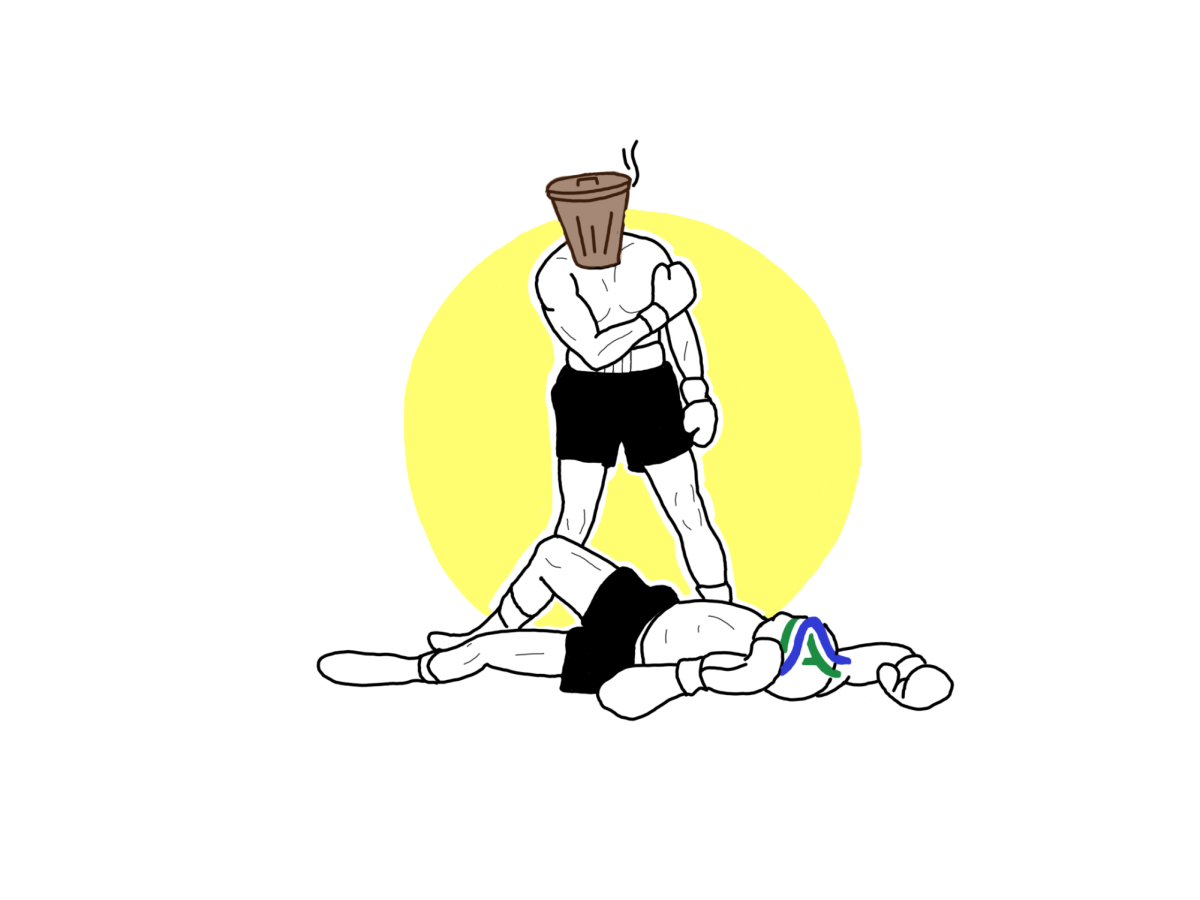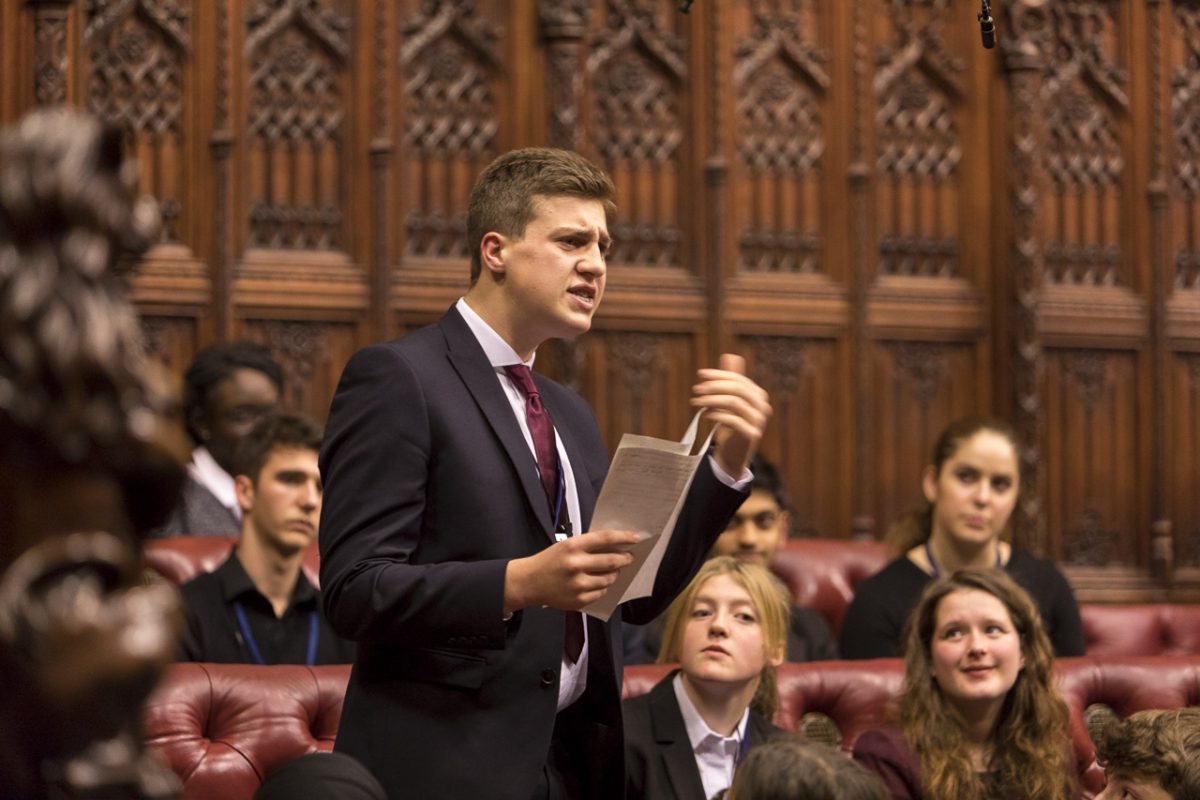
Freedom of speech is the right to express oneself without censorship or restraint. Dated to when the First Amendment was created in 1789, the right to free speech is protected by the U.S. Constitution. So why are Americans encountering so many limitations and challenges to this constitutional right that was a tenet to the founding of our country? This nation established the First Amendment to be the freedom of speech and expression; however, 250 years later, we’ve completely contradicted our own values.
Jonathan Rauch, an American author, journalist and activist argues in the Defense of Prejudice: Why Incendiary Speech Must Be Protected, “The whole objective of eradicating prejudice, as opposed to correcting and criticizing it, should be repudiated as a fool’s errand.” Rauch expresses that this idea of completely suppressing prejudice, society would not be capable of moving forward. Having an argument or discussion of an opposing viewpoint is a vital part of development. Without debates we leave questions, theories, ideologies unanswered. Rauch explains that “Intellectual pluralism substitutes a radically different doctrine: we kill our mistakes rather than each other.”
Charlie Kirk, a political activist, is a good example of this. While some agree with his perspective and his ideology, some stand offended. However, free speech entitles him to his own opinion. Kill his mistakes, rather than kill him. Our country prides itself on its diversity of beliefs and should not be restrained or, even worse, killed for one’s contribution to the conversation.
Jimmy Kimmel, another example, is a popular late-night television host who has made a public habit of criticizing the Trump administration. His show was pulled off the air because he was expressing his opinion.
Gal Gadot, an Israeli actress, model and producer, had been publicly shamed and faced extreme backlash because of a tweet she uploaded in 2021. Gadot posted a statement on X (formerly Twitter) supporting Israel’s right to live in safety, while also stating that her “neighbors” (referring to Palestinians) deserve the same. This seems supportive on both sides, especially considering Gadot is Israeli.
Cancel culture is the public withdrawal of support for individuals, groups, or companies after they have done or said something considered objectionable. Yet, who defines objectionability? Everyone, as I said, is subject to their own beliefs, yet, because of the various views of Americans, it’s difficult to pass judgment on an opposing view. How do we, as a society, determine whether or not something/someone is objectionable? As a society, we’ve built a foundation that decides our wrongs and rights. What terms are considered hate speech? What terms are considered acceptable? The question is whether free speech can be defined based on the morals we create as humans. As Rauch said, how can Americans determine what’s morally acceptable if they can’t have freedom of discourse about it?
Free speech gives America a measure of morality, so once culture limits that ability, there is no measure of good and bad. Social media exacerbates the problem. It’s a platform that allows anybody, anywhere, to express themselves freely by broadcasting their opinions to a huge audience. However, there are some guidelines within social media, the major guideline being hate speech. Hate speech is any form of expression that disparages or incites hatred, discrimination, or violence against a person or group based on characteristics like race, religion, sexual orientation, gender, or ethnicity. Hate speech should fit into our morality meter, and in most cases, it does. Especially social media, which allows the platform to be safe for all users.
The core issue with social media and the culture involved, however, is that now we try to flag every word that could potentially be seen as offensive. New York Times journalist, Greg Lukianoff, expresses that “the concept is so vague and broad that it provides a handy weapon to censor almost any opinion.” He is completely right. Everyone is walking on glass nowadays; one slip and you’re going to get cut. How can comedians be comedians, how can artists be artists, and how can movies be movies when cancel culture is breathing down their necks? It’s truly a shame that social media users cannot even address their own biases, let alone speak their own minds. Lukianoff found that U.S. law does not recognize a general hate-speech exception to the First Amendment, and never has.
This ideal is strictly a social theory. Hate speech needs to be recognized and protected, yet not used as a tactic to purify this nation. Racism, sexism, fascism, ageism, etc., are inevitable. Trying to censor everything and everyone is not going to happen. Debate, argue, understand an opposing view if you have to, but erasing faults is not beneficial.
This country is more polarized than ever, and because of today’s media technologies, individual voices can be amplified to a mass audience. Therefore, it creates more opportunities for hate speech, cancel culture, misinformation, and controversial ideas. However, is the solution really to restrict and limit free speech, which America prides itself on?