


The McCallum community is full of unique students with different passions, artistic skills, and enthusiasm for several subjects, and the class choices offered at McCallum reflect these values. Many classes present students with the opportunity to learn about the subjects they’re interested in through a creative lens and explore new topics that aren’t widely available at many other schools. Jewelry Making, History of American Music, Film Analysis, Forensic Science, and AP European History are all unique courses available at McCallum. These classes allow students to explore their interests in ways that go beyond traditional schoolwork.
Jewelry Making:
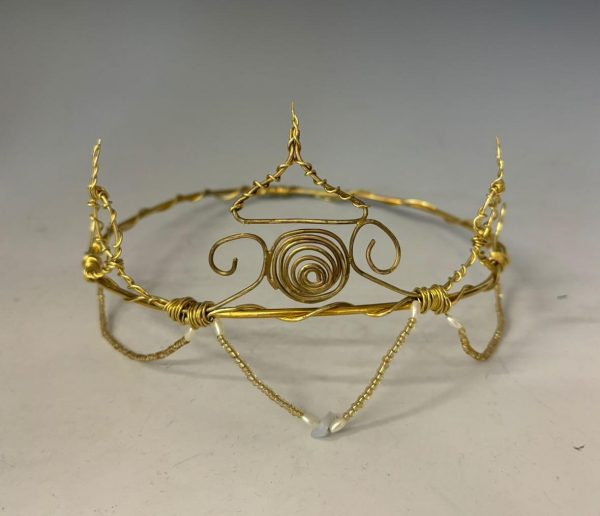
Jewelry Making is one of several art classes that students can take after getting their Art 1 credit. In the class, taught by Abby Burnham, students learn to use equipment like torches to solder metals and create the jewelry of their choice. Senior Nella Ibsen is a student in Jewelry Making 2 and believes that the class is a great artistic outlet.
“What I like about the class is the freedom you get to create whatever jewelry you like with so many different metals, beads, glass, and more,” Ibsen said. “It’s relatively flexible with each project, and you are able to really create exactly what you want, along with structure from Ms. Burnham’s curriculum. Most projects in art classes or even in school, you have to follow an exact rubric, but with jewelry, you have more freedom.”
Ibsen said that she would recommend the class to students interested in jewelry making but that they should be prepared to put their time and effort into the class.
“I totally recommend it for kids who are hardworking and creative,” Ibsen said. “Definitely not a blow-off class. It takes work ethic but it’s very enjoyable for creative people.”
Film Analysis:
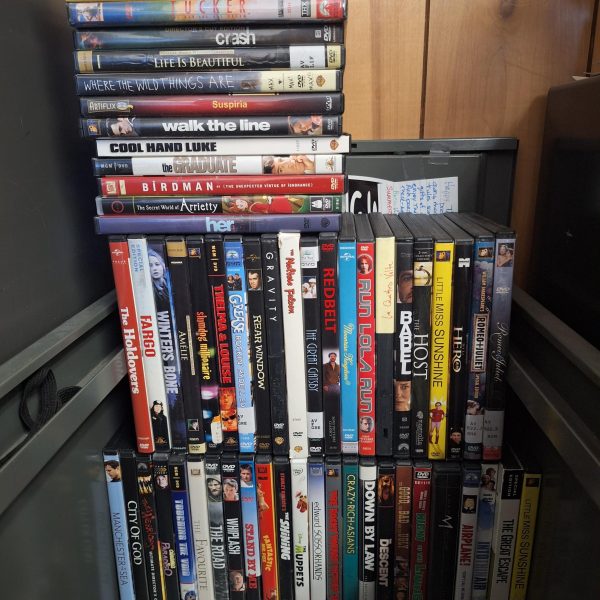
Film Analysis, taught by Eric Wydeven, is another unique class offered at McCallum. In the class students watch films and analyze the narrative structure, editing and cinematography, and explore film as a social/cultural tone.
“Students should plan to study narrative, but from a rhetorical perspective,” Wydeven said. “Students learn about what happens behind the scenes of movie-making. We explore the techniques involved in the entire movie-making industry. But we also look into the history of film; we explore film as a social/cultural tool; we look into the psychology of filmmaking and how various choices made by filmmakers impact their audience; and we learn to write about film. The class is part psychology, part art and part English class.”
Wydeven has been able to blend components of Film Analysis with his English classes.
“My favorite thing about teaching the class is that it gives me so many opportunities to talk about film as an important art form and to explore film as a vehicle towards human improvement,” Wydeven said. “I love movies. Always have. And teaching the class has only heightened this. I find that in general, teaching the class has helped me across the board with my critical thinking. I find myself applying lessons from our narrative theorist assignments to analysis in my English class. Teaching the class has made my movie-going experience so much richer.”
Wydeven believes that if students have a passion for film and want to think more critically about the films they watch, they should consider taking the class.
“Students should consider taking the class if they like movies, or if they like to write, or if they want to improve their ability to think critically. One parent called the class a critical thinking class, and I would say this is true. Movies are just the texts that we seek to think critically about. It is practice for the real world.”
Forensic Science:
Forensic Science is an advanced science class offered to juniors and seniors at McCallum. In the course, students learn the basics of forensic science, such as fingerprinting, DNA analysis, how to conduct crime scene investigations, and more. Science teacher Sarah Noack teaches the course and believes that it’s a great introduction to the field of forensic science.
“The class is divided up into big topics, like fingerprinting, but there’s also DNA, autopsies, crime scene investigation and careers all in forensics,” Noack said. “We also talk about the death timeline and rigor mortis, liver mortis and algor mortis. It’s a good introduction to all the different topics that you would learn if you were going into a forensics career in college.”
Since the class is only for upperclassmen, Noack explained that something she enjoys about the class is the classroom environment and the conversations she is able to have with the students.
“Something I enjoy is that the students are older, so that’s really nice, because I taught freshmen for a really, really long time, and so having upperclassmen, they just come in, they do their own thing. I don’t really have to manage behavior. They’re just really nice and pleasant, and I feel like I have really good conversations with them, which is super fun.”
History of American Music:
History of American Music is a Social Studies elective where students learn about the history and influence of American music through a social lens. They learn about the impact that music has made and how performers have used it as a tool to express themselves. Joe Carcione explained that he enjoys teaching the course because it allows him to introduce new kinds of music to students.
“I love exposing students to music they haven’t heard of and possibly them deciding they like something new,” Carcione said. “I really love teaching about The Beatles. Even though they aren’t American, they had a major impact on American music. Motown is also fun to teach because I can tie Motown into the greater cultural issues of the time. It’s a great introduction to how music influenced the civil rights movement and how the movement influenced music.”
Carcione believes that the class is a great way for students to learn more about the subject of music from an analytical perspective and that music is a way for people to connect.
“I teach them that music itself is neutral when it comes to who’s the performer. There’s no stereotypical kind of performer. They learn how the different genres of music are connected. They learn the significance of American music and how it’s exported across the world. American music has had such an influence globally. Everyone likes some form of music, and it’s a great way to connect to American history in a more unique way than it’s normally done.”
AP European History:
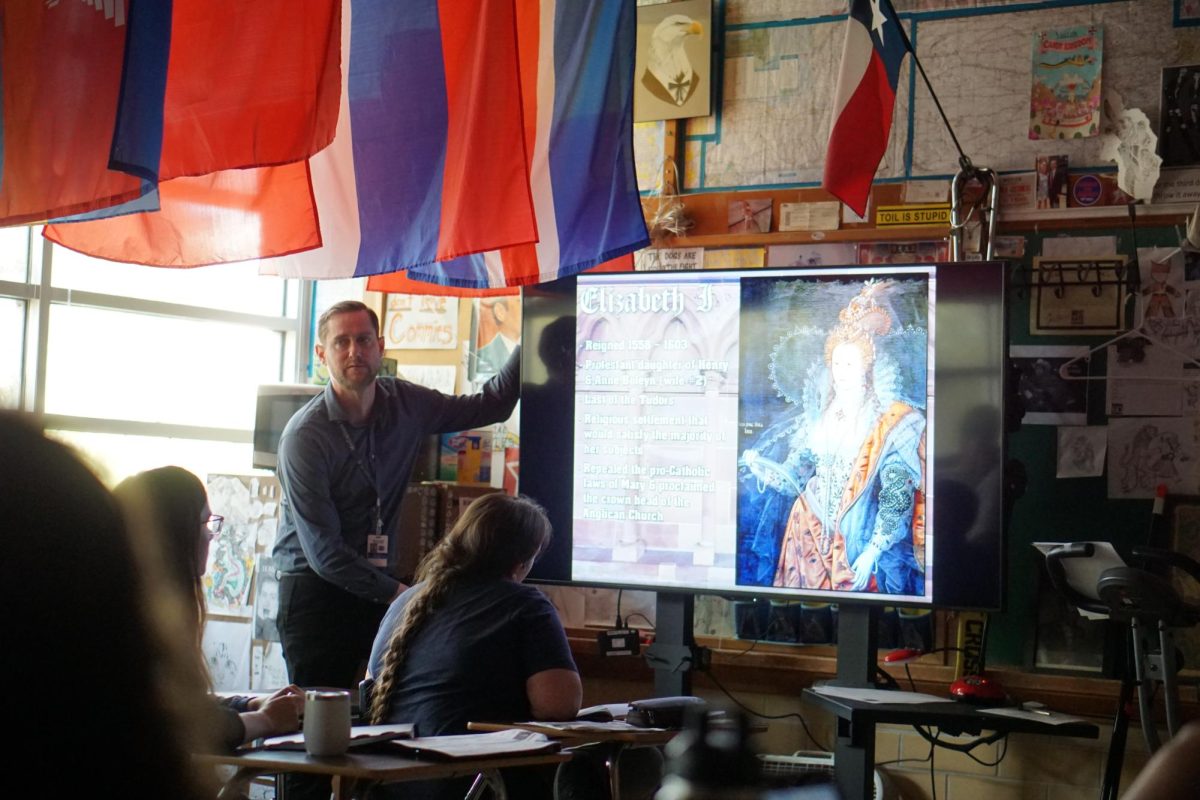
AP European History is an Advanced Placement course where students learn about social, political and cultural conflicts and developments in Europe from the 15th century to the present day. The class is not offered at many high schools in AISD and this is the first year that the course has been available at McCallum. According to junior Lujain Al Hallaq, the discussion-based learning and the classroom environment has been a very interesting way of learning material and she is excited to learn more about European history.
“I honestly just love how everyone in the class is very engaged and actually interested in class discussions and how it’s a very seminar-based class where people just discuss history together,” Al Hallaq said. “Mr. Anderson makes it fun because he provides us with cool lectures and readings to prepare us for the AP exam. Right now we’re learning about imperialism and industrialization. So far this year we’ve covered the Renaissance era in Italy, which is my favorite, the age of reformation, which looks at the splits in religion, absolutism versus constitutionalism, and we’ve looked at the scientific revolutions and the French Revolution.”
Together, these classes, and many more offered at McCallum, reflect the school’s dedication to allowing students to explore their interests in meaningful, creative and engaging ways.