
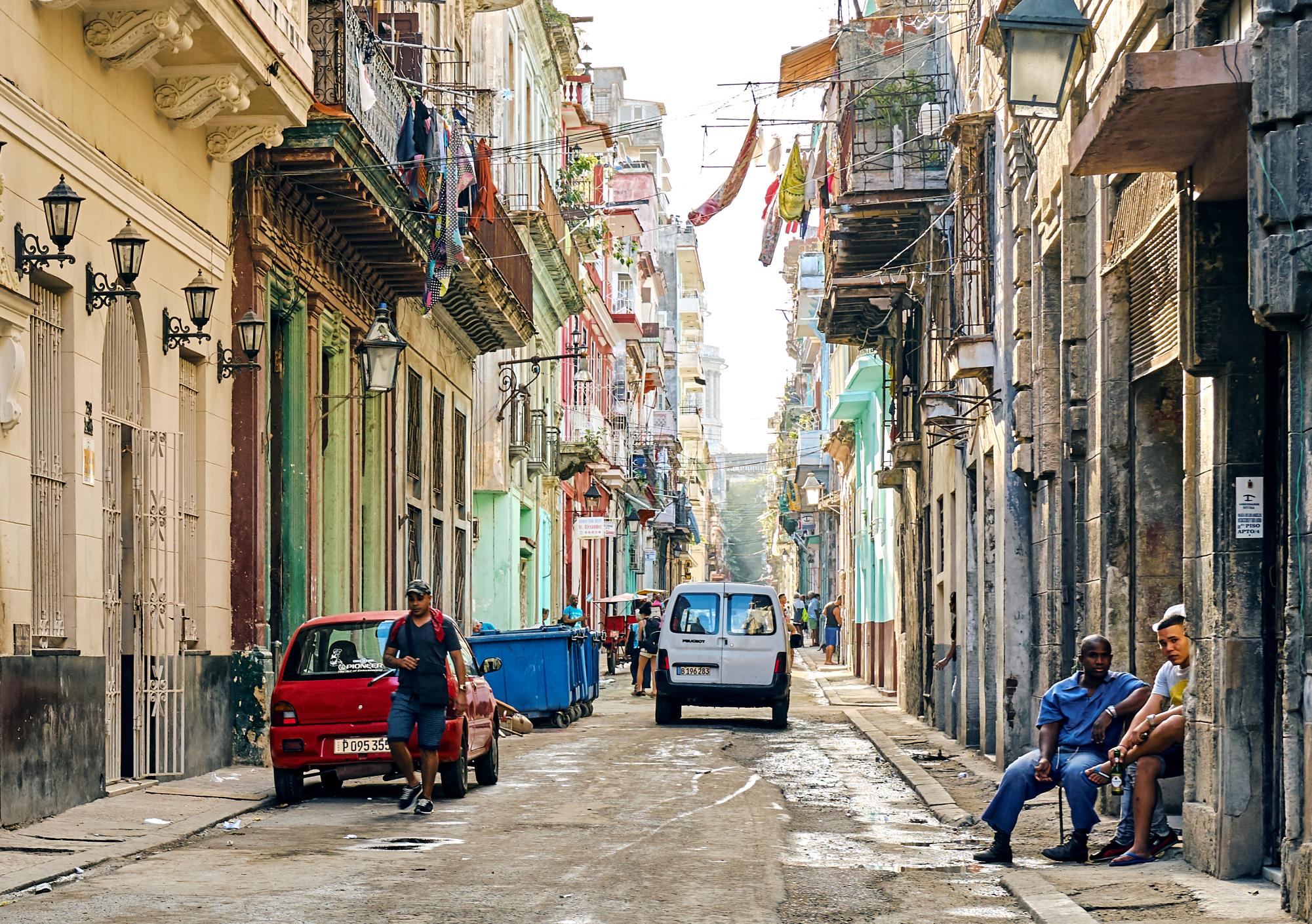
Cuba is facing one of the deepest crises in its recent history. Since the mass protests of July 2021, the country has experienced a structural economic collapse, prolonged blackouts and shortages of food and medicine. The decline in tourism, the decrease in remittances and the US embargo have exacerbated the situation, triggering an unprecedented migratory exodus. Despite international condemnation, thousands of citizens remain arbitrarily detained, while the population survives in precarious conditions that violate their basic rights.
The blackouts severely affect daily life, impacting homes, schools, and hospitals, disrupting essential activities and the quality of life for citizens. The electricity shortages also negatively impact the Cuban economy, paralyzing businesses and vital services. The power cuts have sparked citizen protests in several cities across the country.
While power outages certainly affect society, the worst problem is the shortage of food and medicine. Most of the population is experiencing difficulties accessing basic goods, either due to a lack of availability or high prices. The causes include the country’s economic crisis, exacerbated by the US embargo and dependence on imports, and problems acquiring the raw materials needed for medicine production.
A recent study by the Food Monitor Program (FMP) indicates that nearly 97% of the population lost adequate access to food in the past year, and up to 25% have gone to bed hungry at some point. State-run pharmacies have empty shelves, and hospitals lack essential medical supplies.
As a result, the last two years have seen the largest migration crisis in Cuban history. More than 366,000 people emigrated to the US illegally, some 40,000 legally, and 14,000 through humanitarian parole. In addition, another 30,000 Cubans are stranded in Mexico, waiting for an opportunity to enter the US. In total, 450,000 Cubans have left: 4% of the island’s population.
Despite all this, Cubans remain united and have resisted adversity. They have stood together in social protests, such as the one on July 11, 2021, demonstrating their discontent with the government. Artists, writers, and intellectuals have used their work as a form of resistance, with the San Isidro Movement and the song “Patria y Vida” being notable examples. Opposition groups, both on and off the island, also organize activities to promote democratic change, including assisting political prisoners.
The Cuban regime’s response has been repression, including arbitrary arrests, harassment, and torture. Authorities have silenced citizens with systematic harassment tactics to suppress dissidents and independent journalists.
Cuban youth have been the most severely affected by the crisis. Constant power outages and a lack of internet access have hampered online education, while many universities lack basic resources. Thousands of young people have dropped out of their studies to help their families or to seek a better life elsewhere.
Amid the crisis and repression in Cuba, the artist Luis Manuel Otero Alcantara, imprisoned for his activism, declared: “I love freedom more than life itself.” He said this in 2020 after suffering multiple arbitrary arrests. His art became a symbol of resistance, and he was sentenced to five years in prison for participating in peaceful protests.
University students have raised their voices against the increase in fees and censorship, stating, “We don’t want to be silent anymore. Studying shouldn’t mean obeying,” denouncing academic repression.
These phrases reveal the courage of those who, through culture and youth, defy the government and defend their right to free expression.
Despite the darkness that has enveloped Cuba in recent years, young artists paint murals with messages of resistance, musicians improvise songs with cans and guitars, and families gather to share stories, humor and solidarity.